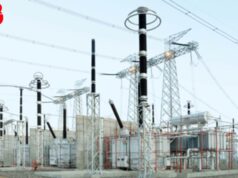

Honeywell Automation India Ltd. (HAIL) is one of India’s leading industrial automation companies and a subsidiary of Honeywell International Inc., a global technology leader. The company provides automation, process control, industrial software, safety systems, smart building technologies, and digital transformation solutions.
Honeywell serves industries including:
- Oil & Gas
- Chemicals
- Pharmaceuticals
- Data Centers
- Infrastructure
- Power
- Food Processing
- Airports
- Commercial Buildings
The company benefits from India’s increasing investments in industrial automation, Industry 4.0, smart manufacturing, and energy efficiency.

Investment Highlights
| Particular | Details |
|---|---|
| Sector | Industrial Automation |
| Industry | Engineering & Automation |
| Market Position | Industry Leader |
| Parent Company | Honeywell International Inc. |
| Business Type | B2B Technology |
| Debt | Very Low |
| Dividend | Regular |
| Promoter Holding | Strong |
| Risk Level | Moderate |
| Investment Style | Long-Term Compounder |
Business Segments
Industrial Automation
- Distributed Control Systems (DCS)
- PLC
- SCADA
- Industrial Software
- Asset Performance Management
Building Technologies
- Fire Safety
- Security Systems
- Building Management Systems
- HVAC Automation
Process Solutions
- Refineries
- Petrochemicals
- LNG Plants
- Fertilizer Plants
Digital Solutions
- Industrial AI
- Predictive Maintenance
- IoT
- Cloud Analytics
Competitive Advantages
1. Global Parent Support
Backed by Honeywell International’s decades of R&D, intellectual property, and global customer relationships.
2. High Entry Barriers
Industrial automation projects require:
- Technical expertise
- Long implementation cycles
- Certifications
- Customer trust
These factors make it difficult for new entrants to compete.
3. Strong Customer Base
Honeywell serves many of India’s largest industrial companies, resulting in recurring maintenance and service revenue.
4. Asset-Light Business
The company focuses on technology, engineering, and software, reducing dependence on heavy manufacturing assets.
5. Industry 4.0 Tailwinds
Increasing adoption of:
- AI
- Robotics
- IoT
- Smart factories
- Industrial cybersecurity
supports long-term demand.

Fundamental Strengths
Positive Factors
✅ Strong balance sheet
✅ Consistent profitability
✅ Healthy operating margins
✅ Strong cash generation
✅ Low debt
✅ High return ratios
✅ Global technology access
✅ Sticky enterprise customers
5-Year Bullish Price Target (2026–2031)
| Year | Conservative | Base Case | Bull Case |
|---|---|---|---|
| 2026 | ₹44,000 | ₹47,000 | ₹50,000 |
| 2027 | ₹48,000 | ₹53,000 | ₹58,000 |
| 2028 | ₹53,000 | ₹60,000 | ₹68,000 |
| 2029 | ₹59,000 | ₹68,000 | ₹80,000 |
| 2030 | ₹66,000 | ₹77,000 | ₹92,000 |
| 2031 | ₹72,000 | ₹86,000 | ₹1,05,000 |
Expected CAGR Potential
| Scenario | Expected CAGR |
|---|---|
| Conservative | 8–10% |
| Base Case | 13–16% |
| Bull Case | 18–22% |
Bull Case (Target: ₹1,05,000 by 2031)
Key Assumptions
- Strong manufacturing capex cycle in India
- Significant growth in Industry 4.0 adoption
- Expansion in semiconductor, data center, and energy infrastructure projects
- Higher contribution from software and recurring service revenue
- Margin expansion through operational efficiency
- Continued premium valuation due to business quality
If these factors play out, Honeywell Automation India could sustain healthy earnings growth over multiple years. Recent global Honeywell automation businesses have also reported strong order growth in building and industrial automation, providing a supportive backdrop for the automation sector.
Base Case (Target: ₹86,000 by 2031)
Assumes:
- Revenue growth of around 10–12% annually
- Stable operating margins
- Continued order inflow from industrial automation
- Normal valuation multiples
This is the most probable scenario if the company continues executing steadily without major disruptions.